Landscape Lighting - What You Need to Know
LANDSCAPE LIGHTING - WHAT YOU NEED TO KNOW
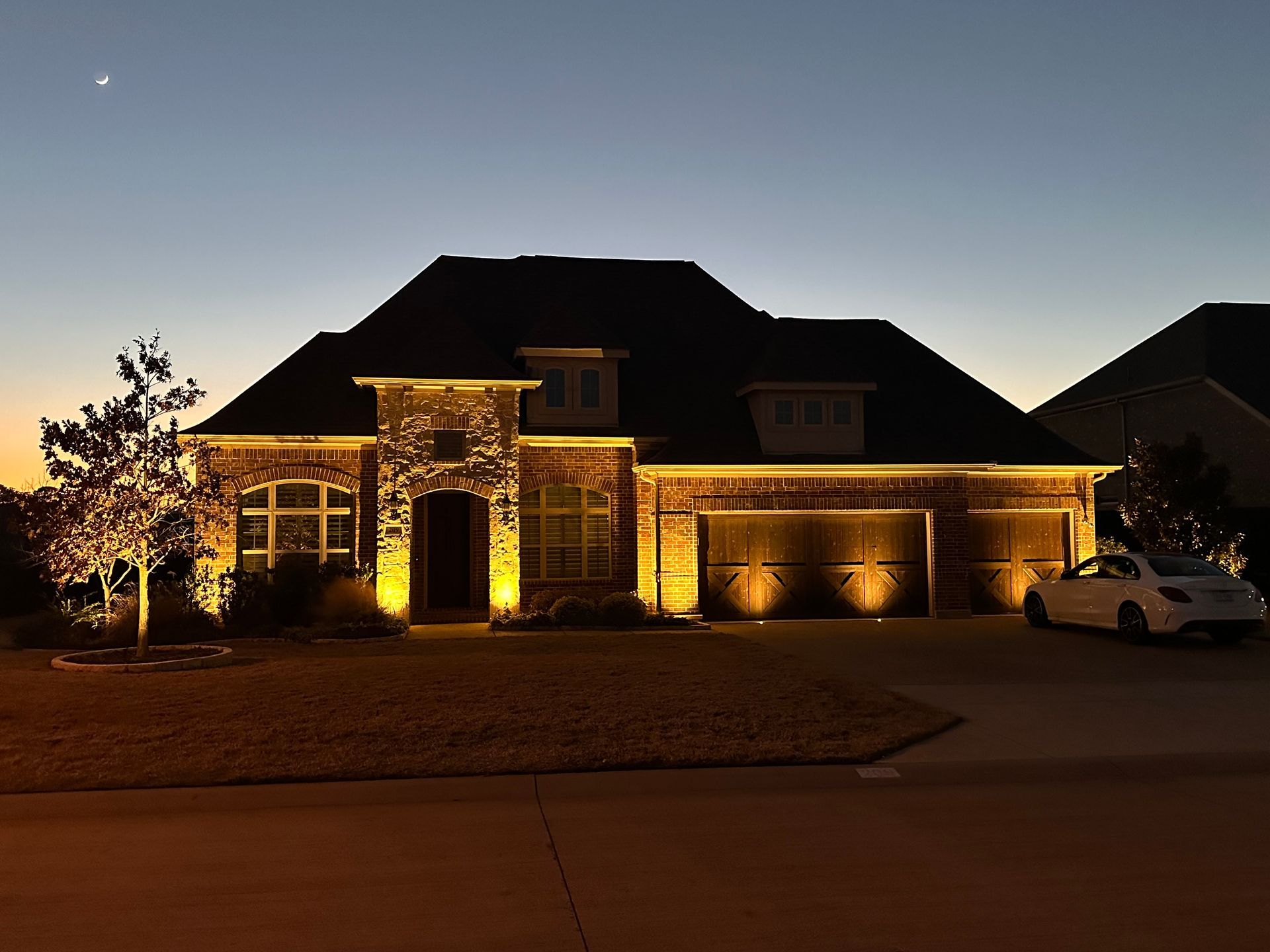
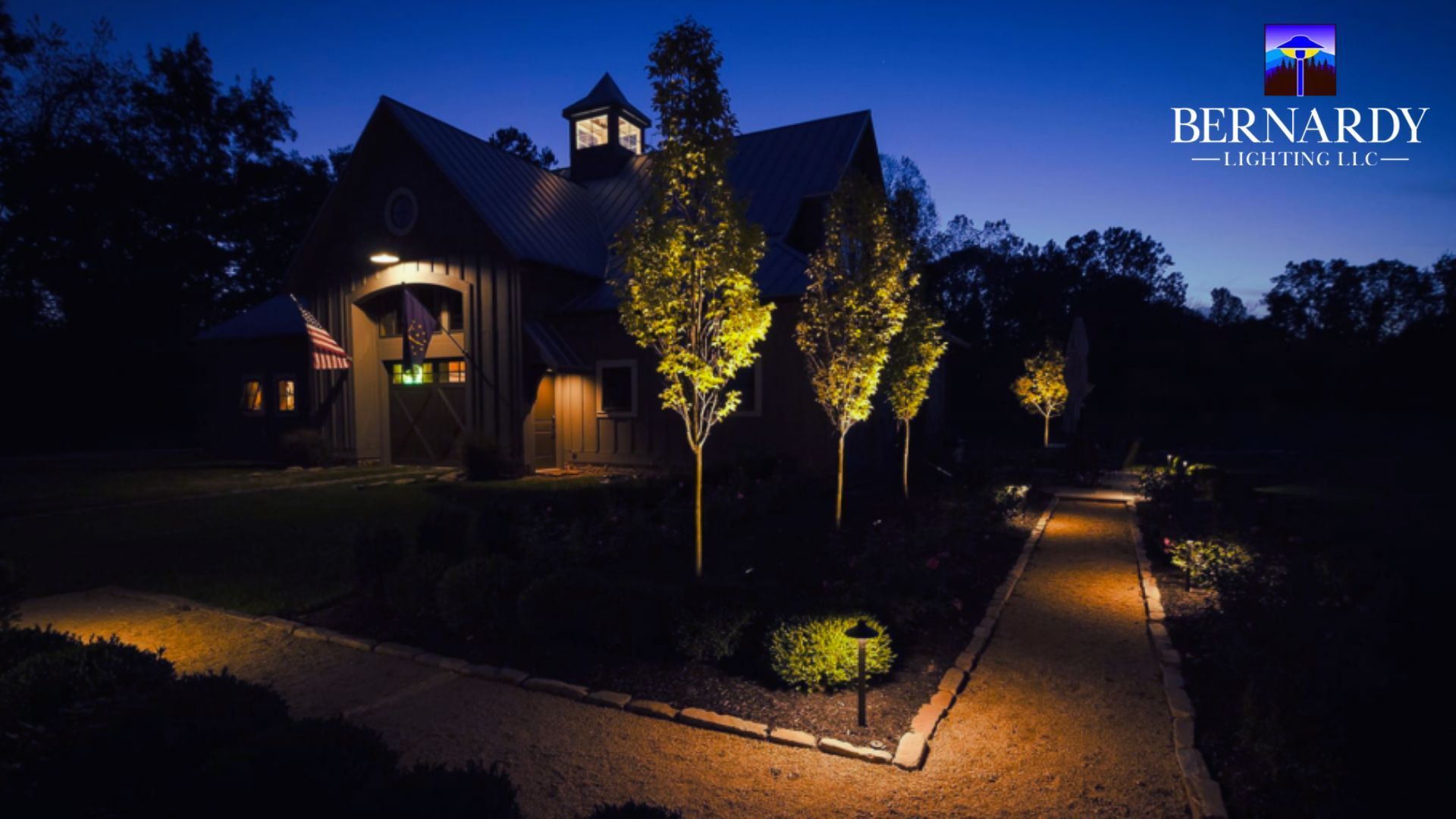
Imagine driving through your neighborhood in Flower Mound after 8 pm; some homes, beautiful by day, vanish into darkness, while others glow with inviting light. Trees are lit from below, pathways are lined with soft light, and front doors look welcoming from across the street.
If your home is one of the dark ones, this guide is for you.
We'll walk you through the best types of lights for homes in this area, good design principles, and how to get the job done right.
The Transformative Power of Landscape Lighting
Your home is your biggest investment, and half of its life is invisible every evening and night. That's a lot of missed opportunity.
But it's not just about looks. Here are four practical reasons Flower Mound homeowners add outdoor lighting:
Here's why:
- Safety first: Dark pathways and steps are where people get hurt. A few well-placed lights fix that problem completely.
- Security: A well-lit yard is a less appealing target for unwanted visitors. This is especially true for homes with side yards or back gates that are hard to see from the street.
- Enjoying your outdoor space: Flower Mound summers are hot, but the evenings are perfect. Good patio and garden lighting means you actually use your outdoor space after dark.
- Home value: Curb appeal matters, and it matters at night too. Buyers notice a home that looks good after dark. It signals care and quality before they've even stepped inside.
The Different Types of Outdoor Lights
While you don't need to know every technical term, having a grasp of your lighting options empowers you to make informed decisions that enhance your home's aesthetic and functionality.
Path lights — the most common starting point
They're small fixtures that line driveways and garden paths, spreading a soft, downward glow. Most homeowners start here because they're easy to understand and make an immediate difference. If your walkway is dark at night, path lights are the fix.
Uplights — for making your home look dramatic
Uplights sit at ground level and point upward toward your home's facade, a big oak tree, or a stone wall. The effect is striking, creating depth and shadow that makes your property look three-dimensional after dark.
If you've ever driven past a home and thought, "Wow, that looks incredible at night," it usually has uplights.
Flood lights — for wide coverage
Flood lights cover a lot of ground, making them great for driveways, the sides of your house, or any large open area you want lit up.
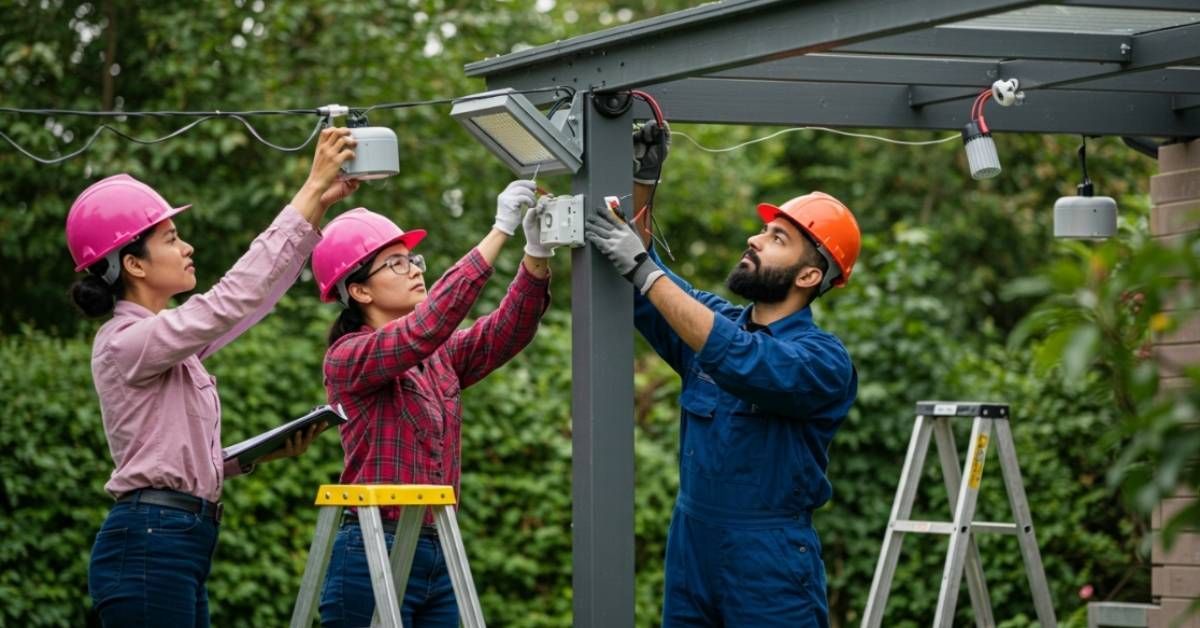
Modern LED flood lights with motion sensors are practical. They stay off until they're needed, which saves energy and makes them great for security.
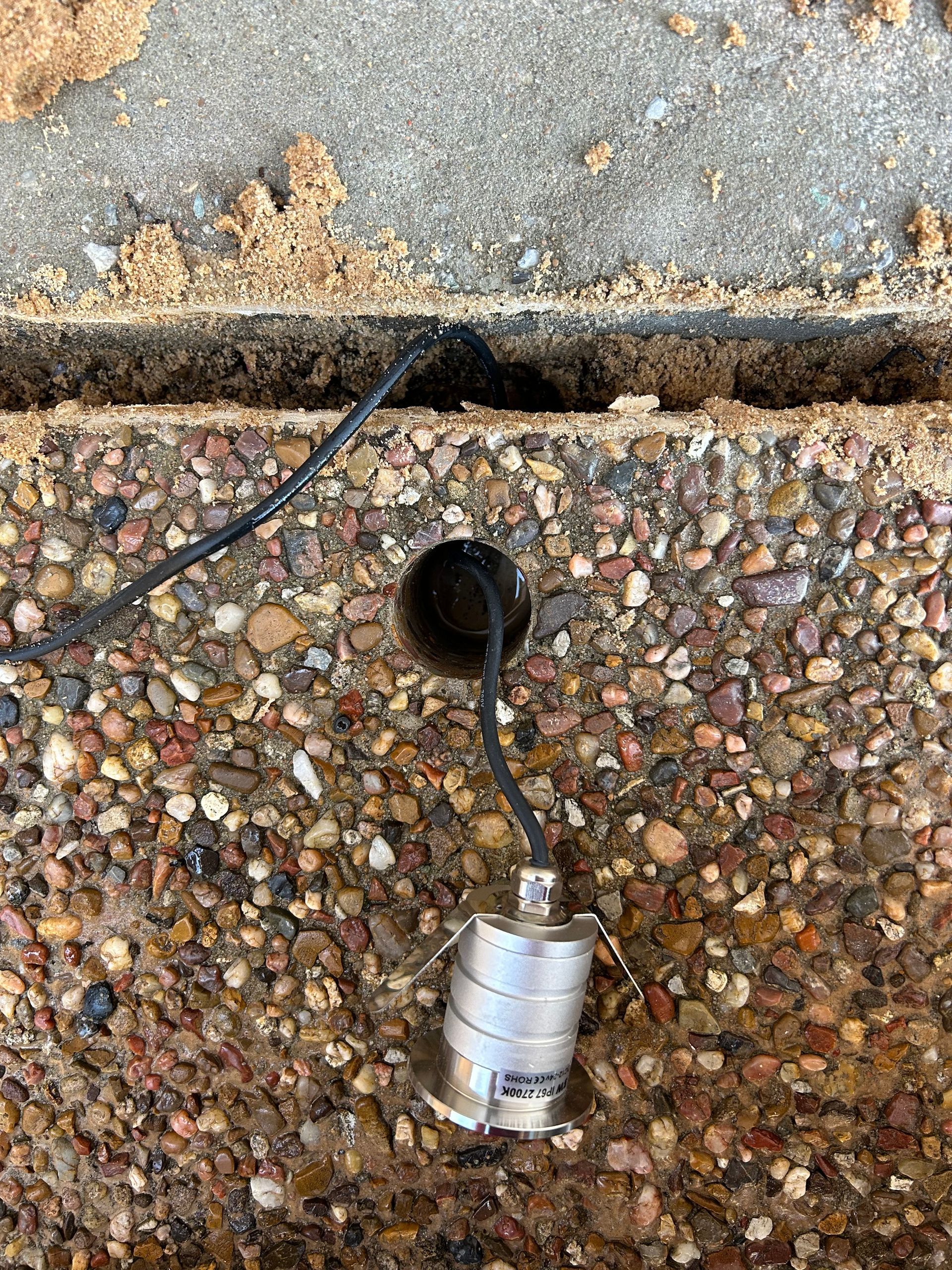
In-ground well lights — the clean, low-profile option
These are set into the ground so the top sits flush with the surface. You barely notice them during the day.
At night, they send light upward without any visible fixture. If you want a very clean, architectural look — especially around columns, trees, or a modern facade — well lights are the way to go.
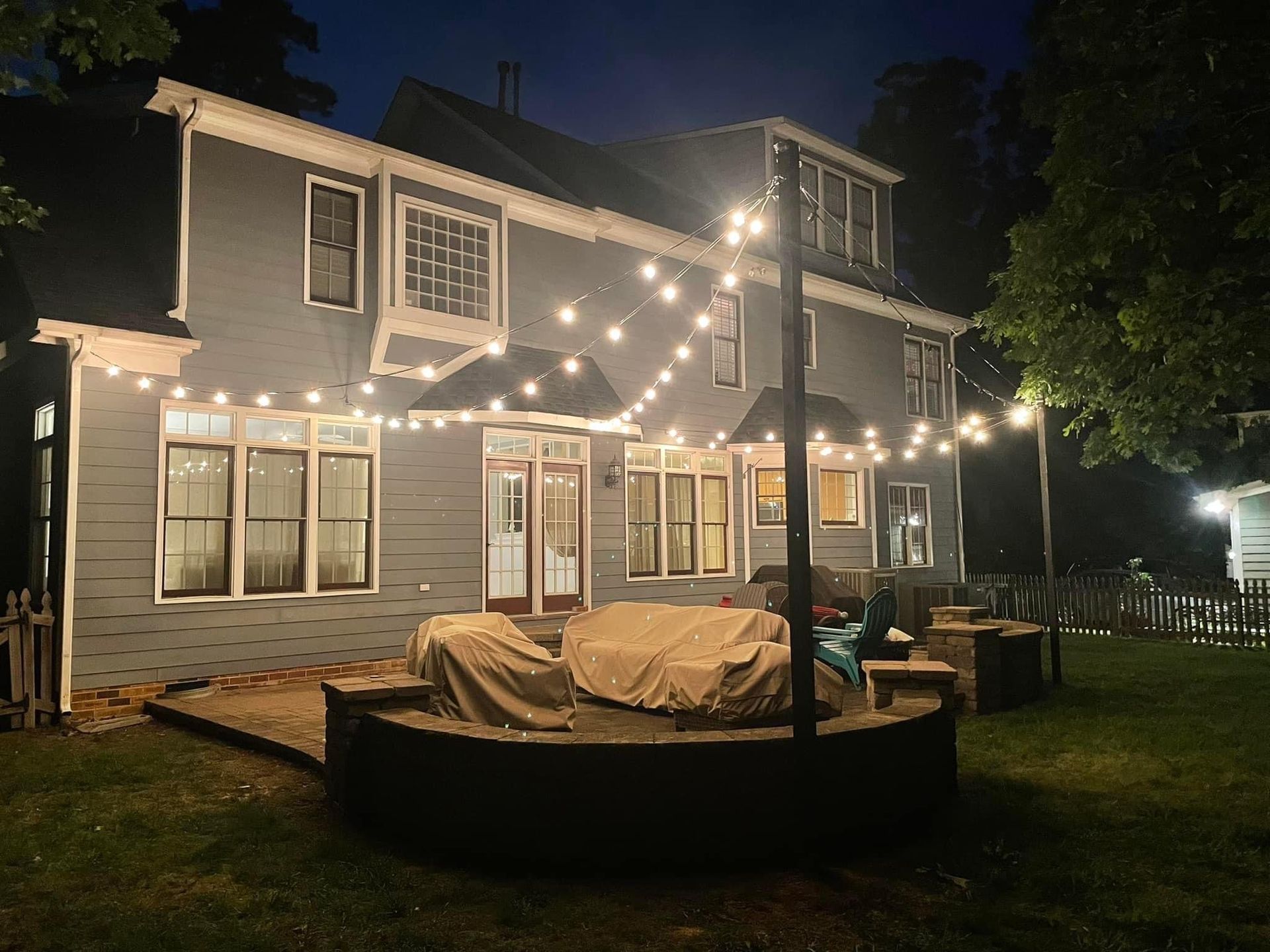
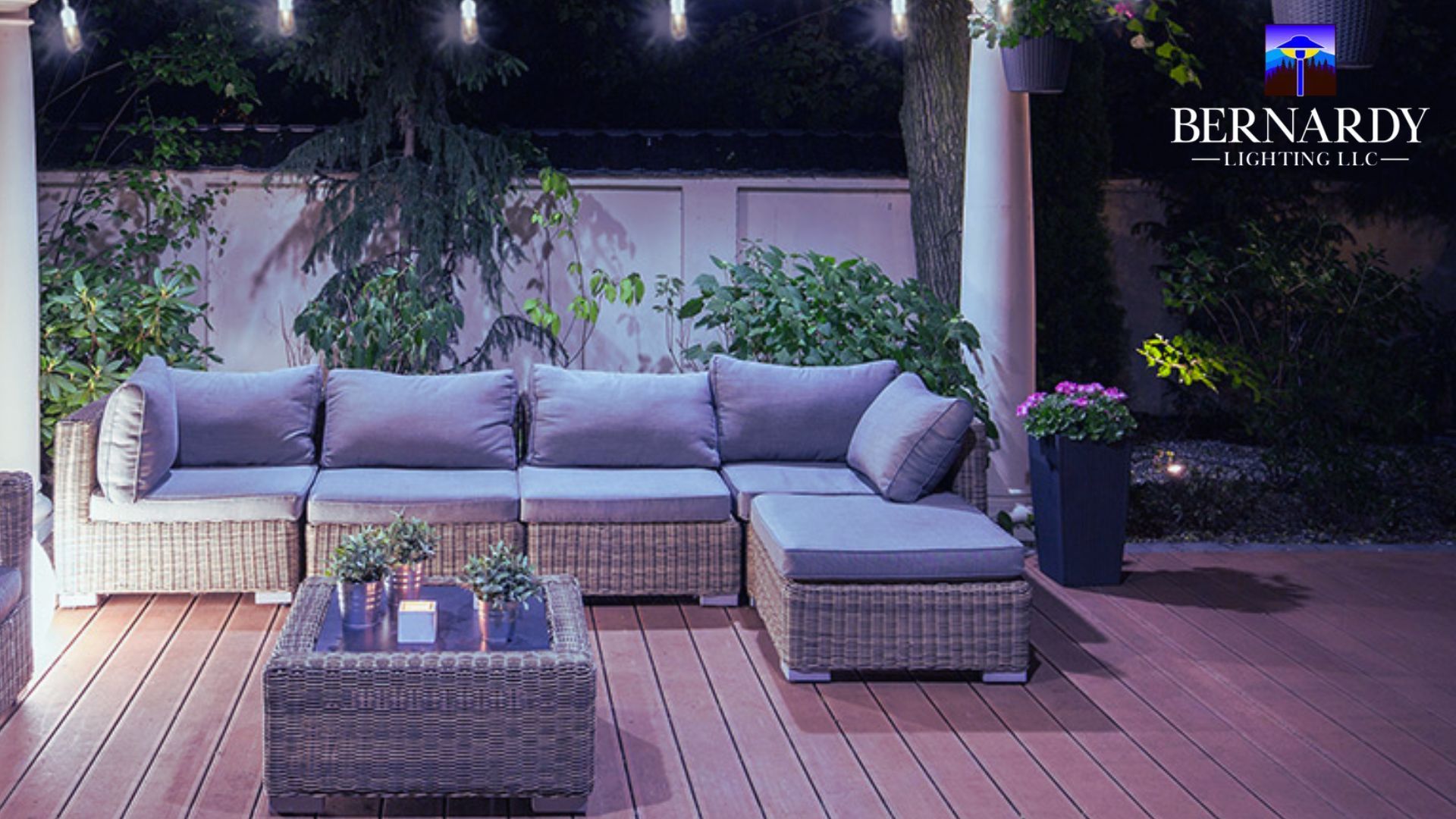
String lights and patio lighting — for your outdoor living space
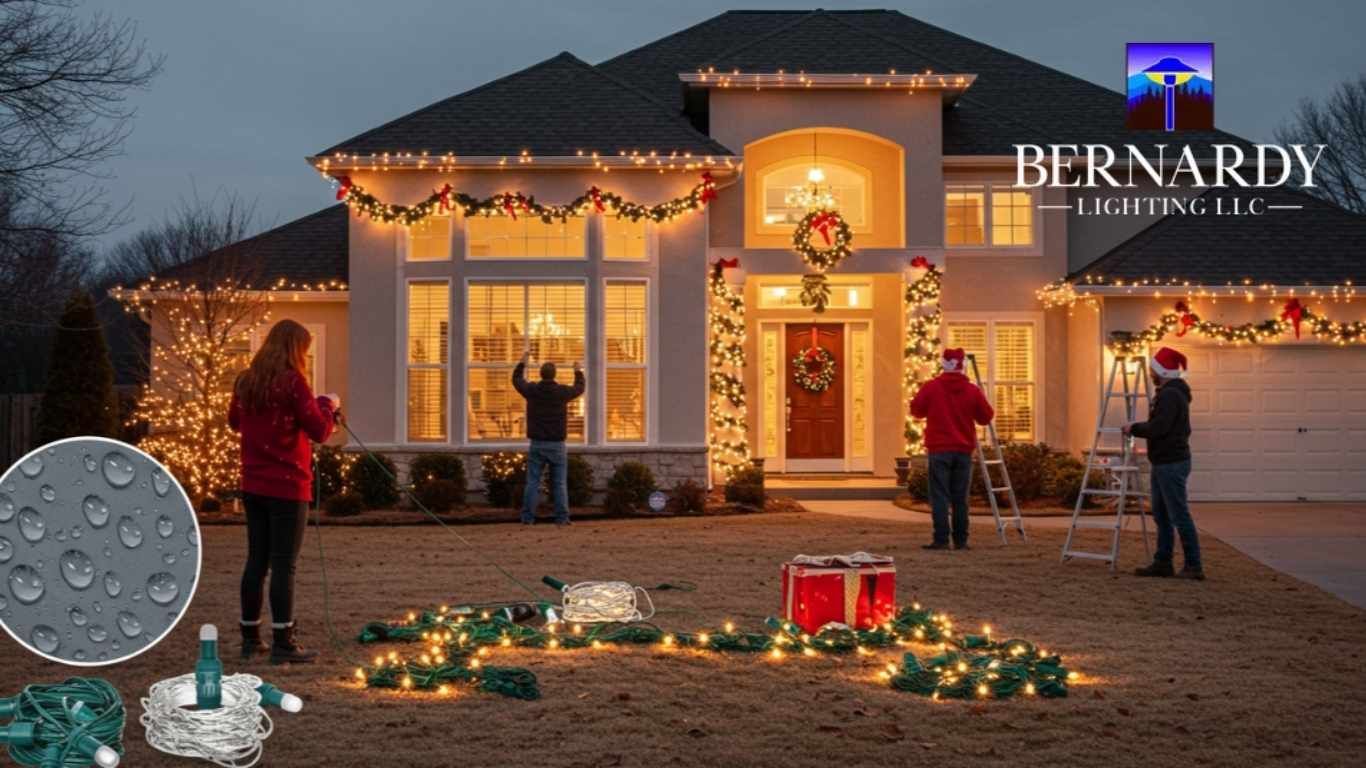
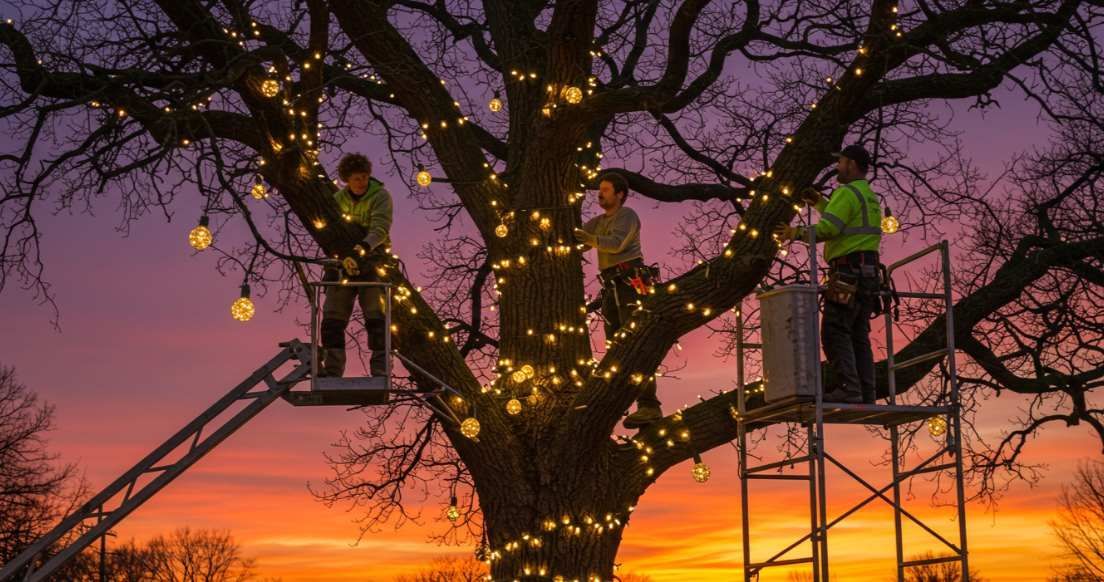
There's a reason string lights never go out of style. Hung over a patio, pergola, or deck, they create a warm, relaxed atmosphere that no other fixture quite matches.
If you spend evenings outside in the summer, a string light setup over your patio is probably the single best lighting investment you can make.
Step and wall lights — small but important
Recessed into outdoor stairs or retaining walls, these small lights prevent trips and add a polished finish to your outdoor space. They're subtle, but take them away and you'd notice immediately.
Pool and water feature lights
If you have a pool, fountain, or water feature, submersible LED lights turn it into a centerpiece at night. The effect is genuinely impressive, especially if you already have the feature.
Not Sure Where to Start?
Take a look at our offerings — from simple path lighting to full outdoor lighting designs for Flower Mound homes.
See Our Landscape Lighting Services
Should You Go With LED?
If you're installing or replacing outdoor lighting, just go with LED. There's no good reason not to use them.
- Energy efficient: They use around 75% less electricity than older bulbs.
- Long lifespan: A good LED fixture lasts 25,000–50,000 hours, compared to only a few hundred hours for traditional bulbs.
- Low heat: They don't get hot, which means no fire risk near plants, mulch, or wood.
- Better light quality: Modern LEDs come in warm tones that look natural and flattering.
- Heat resistant: Properly rated LED fixtures handle the summer temperatures in Flower Mound without issues.
Simple Landscape Lighting Design Principles
You don't need a design degree to get it right. Just avoid these common mistakes.
Don't just add more lights
More lights don't necessarily mean better lighting. Overlighting makes a yard look washed out and flat. Focus on highlighting key features intentionally.
Mix different types of lighting
A yard lit only with path lights looks flat. Add uplights on trees and ambient patio lighting to create depth and interest.
Keep the light where it belongs
Fixtures pointed at neighboring properties or the street create glare. Use shielded fixtures and direct light downward.
Think about the seasons
A light hidden behind summer leaves may be fully exposed in winter. Good installers consider how your landscape changes throughout the year.
DIY vs Hiring a Professional
DIY landscape lighting kits exist, but they're limited. If you just want a few solar stakes along a path, you can probably handle it yourself.
But once you move past the basics, hiring a professional often makes more sense.
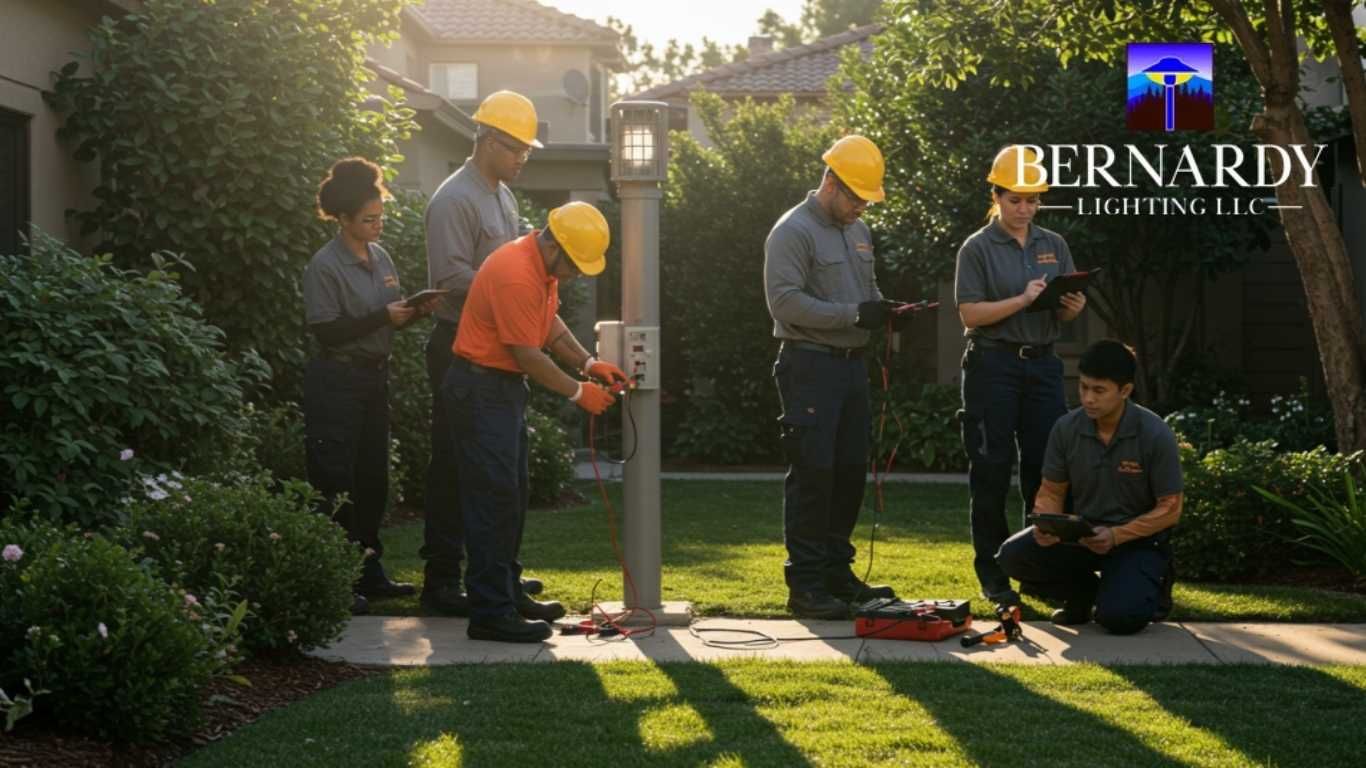
- The wiring matters: Proper cable depth, waterproof connectors, and correct electrical connections prevent failures.
- Better equipment: Professional installers use commercial-grade fixtures built for long-term outdoor use.
- Design expertise: It's easy to buy lights, but harder to place them well. A good installer plans the design for the best visual impact.
- Electrical codes: In Texas, some electrical work must follow code requirements, which professionals understand.
One Last Thing Before You Go
Good landscape lighting isn't complicated, but it makes a real difference. A property that looks ordinary during the day can look stunning at night with the right setup.
And the opposite is also true — even beautiful landscaping disappears after dark without proper lighting.
If you're a Flower Mound homeowner considering landscape lighting, the best first step is simply a conversation about what's possible for your yard.
We're local, we know the area, and we're happy to h elp — whether you end up hiring us or not.
Have a question about your specific property?
Drop us a message and tell us a bit about your home and what you're hoping to achieve. We'll come back with honest advice — no sales pressure, no commitment required.
Frequently Asked Questions
How long does installation take?
For most homes in Flower Mound, a full outdoor lighting installation takes one to two days. Smaller projects — path lights for a front walkway, for example — can usually be done in an afternoon.
Do I need a permit?
Low-voltage landscape lighting (the kind that runs on a transformer, not directly from your home's main power) typically doesn't require a permit in Texas. If you're adding line-voltage fixtures or tying into your electrical panel, that's a different story. Your installer will know and should handle it.
Can I control it from my phone?
Yes, if you want to. Smart landscape lighting systems connect to apps and can integrate with platforms like Google Home or Alexa. You can set schedules, dim individual zones, and turn everything on or off remotely. It's a nice upgrade if you're already doing an install.
How much maintenance does it need?
Not much, honestly. Once a year it makes sense to have someone check the connections, clean the lenses, and adjust any fixtures that have shifted. Beyond that, they pretty much look after themselves.
Will the lights hold up in Texas summers?
Good quality LED fixtures are rated for high temperatures and direct sun exposure. Flower Mound summers are hot, but any professional-grade outdoor fixture should handle them without a problem. Cheap consumer fixtures from a hardware store? That's where you might run into issues.